Buying Gemstones Online: A 10-Point Checklist Before You Pay
A gemstone bought online arrives in a small padded envelope, and everything you knew about it up to that moment came from a screen. That is not a reason to avoid buying online — the range is wider than any high street window, and often the prices are better too. But it is a reason to slow down. Most disappointing purchases are not scams. They are mismatches: a stone a shade paler, a little smaller, or more included than the listing suggested. Ten minutes of methodical checking before you pay prevents nearly all of it.
1. Know what you are shopping for
Before you browse, decide what you actually want. Species matters more than colour: a blue topaz and a blue sapphire can look similar in a photograph and behave very differently in a ring, in sunlight, and on a jeweller's bench. Set a budget for the stone, and a separate one for setting it.
Then decide what you will accept. Inclusions: is eye-clean enough, or do you want loupe-clean? Treatments: many gems are routinely heated, irradiated or fracture-filled. That is normal and usually reflected in the price, but it should be stated clearly and in writing. A seller who mentions treatment before you ask is a good sign.
2. Vet the seller, not just the stone
Look for a full trading name, a business address and a phone number, not just a contact form. In the UK, a limited company can be checked at Companies House. That does not guarantee quality, but a seller who hides behind a web form and a free email address is harder to hold to account.
Read the reviews, particularly the two- and three-star ones, and look for patterns: stones arriving smaller than expected, slow refunds, silence after payment. One unhappy customer is noise; four mentioning the same problem is a signal.
Then send a question. Ask something specific and slightly awkward: "Is the colour treated? Is there a window? Can you send a video in daylight?" The reply will tell you more than the listing does. Membership of a recognised trade association or a gemmological qualification is a helpful signal, though not a guarantee.
3. Learn to read the photographs
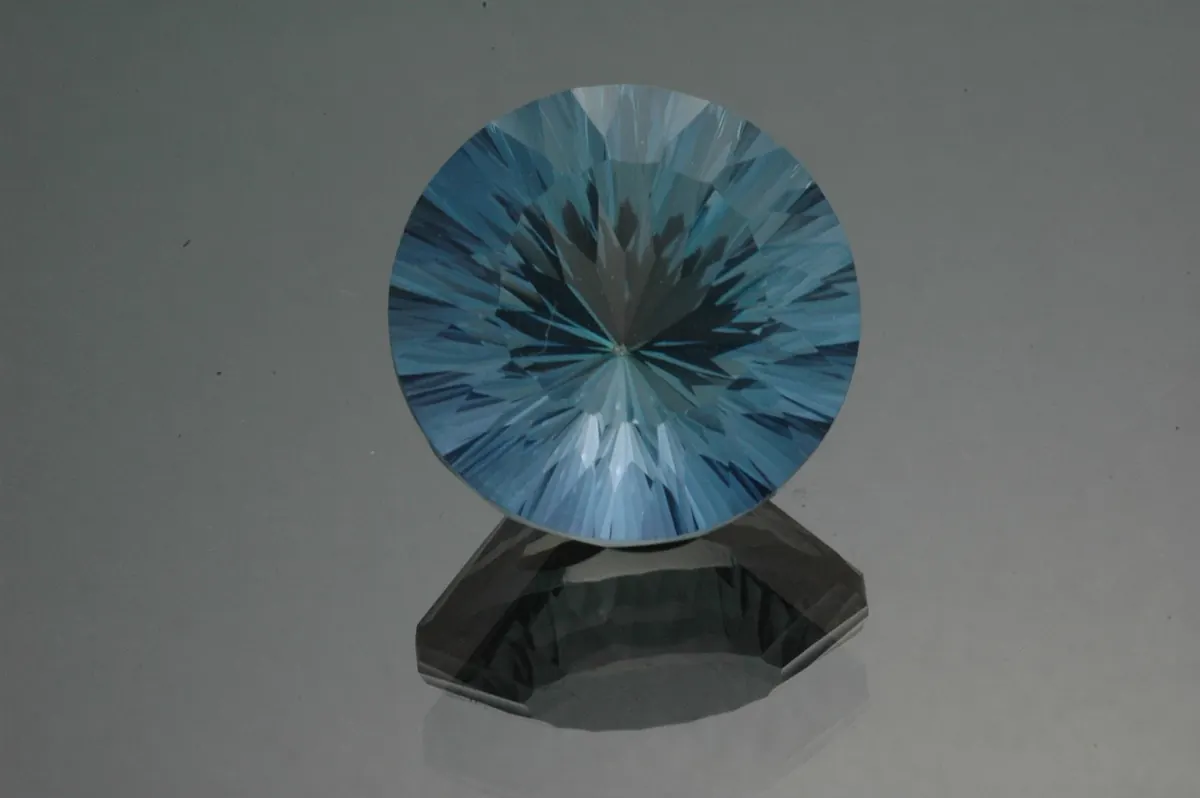
Gem photography is not dishonest by default, but it is flattering. Bright, diffuse studio light lifts colour; a dark background makes a pale stone look richer; a macro lens makes a five-millimetre stone fill the frame.
What to ask for
- A still photograph in daylight, on plain white paper, with no colour correction.
- A short rotating video, so you can see how the colour shifts and where the light dies.
- A shot beside a ruler, graph paper or a coin for scale.
- A photograph of the stone on a hand, or in the setting you intend to use.
Watch the video closely. A dark patch that does not move is extinction; a see-through centre is a window. Both affect how the stone looks once set, and still photographs hide them well.
4. Certificates: what they do and do not tell you
A report from a recognised gemmological laboratory tells you what the stone is and usually flags treatments that can be detected. That is valuable. It is not a valuation, and it says nothing about beauty, cut quality or whether the price is fair.
Check three things. First, the report number — where the lab offers online verification, use it. Second, the weight and measurements: they must match the stone you are buying. Third, the date and issuing laboratory; an older report may describe a stone that has since been recut or treated.
Inexpensive stones often arrive without a report, which is normal. The seller should still state species, treatment and any known origin in writing. If a listing claims an origin — "Burmese", "Colombian", "Kashmir" — ask what that claim rests on. Origin without documentation is a story, not a fact.
5. Measurements matter more than carat weight
Carat weight is a measure of mass, not size. A deep, heavily cut stone can weigh one carat and face up noticeably smaller than a shallower stone of the same weight. Always ask for length, width and depth in millimetres.
Those numbers tell you three useful things: whether the stone will fit a standard mount or need a custom setting; whether the proportions are sensible, since an unusually deep stone loses light; and whether the depth percentage points to a cut that will perform well in the hand.
If you cannot see the stone in person, buy the measurements and trust them over the marketing photograph.
6. Payment, delivery and returns
Pay with a method that offers buyer protection where you can. A bank transfer to a stranger's personal account is hard to reverse, and a seller who insists on one is a reason to pause rather than celebrate.
Ask about shipping before you buy: is it tracked, insured for the full value, and who carries the risk if the parcel goes missing? Stones arriving from outside the UK may attract import VAT and handling charges, so the final cost can exceed the listed price.
Read the returns policy properly, because this is where most disputes begin. Check the return window and when it starts — on dispatch or on delivery. Check who pays return postage, whether the stone must be unset and unworn, whether original packaging is required, and whether a restocking fee applies. Save a copy of the listing and the policy at the time of purchase. Consumer protections vary by country and by payment method; for a high-value stone, it is worth taking proper advice before committing.
The ten-point check before you pay
- Confirm the species, treatment and any claimed origin — in writing.
- Check the seller's trading name, address and contact details.
- Read the critical reviews for repeated complaints.
- Ask one specific question and judge the reply.
- Request a daylight photograph and a rotating video.
- Get length, width and depth in millimetres, not just carat weight.
- Verify any lab report number, weight and measurements.
- Use a payment method with buyer protection.
- Confirm shipping, insurance and who bears the risk in transit.
- Read the returns policy and save a copy of it.
None of this takes long. Ask your questions, keep the answers, and be willing to walk away from a stone that feels rushed or vague — there is always another. The calmest purchases tend to be the happiest ones: a seller who answers clearly, a stone whose numbers add up, and a returns policy you read before you needed it.
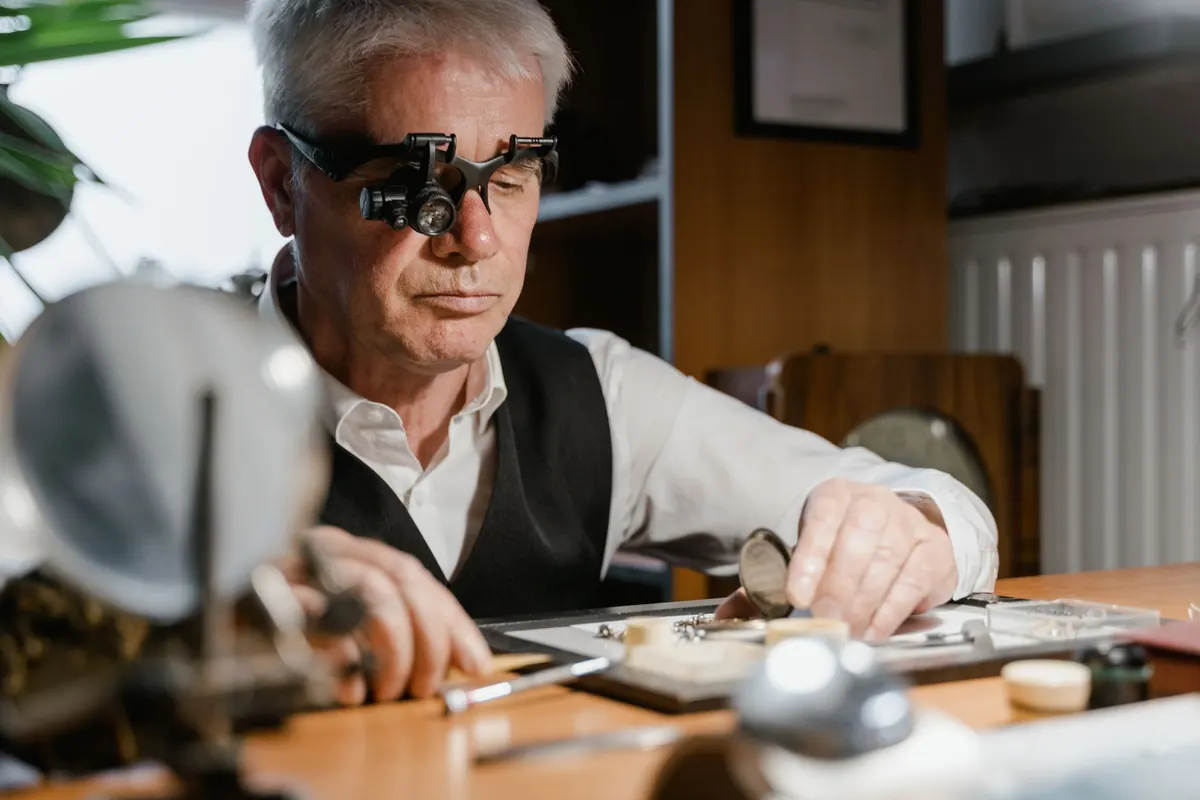
Photo: Tima Miroshnichenko / Pexels