
Topaz Colour Varieties: Imperial, Blue, Sherry and More Compared
Topaz is one of the few gemstones that can satisfy almost any collector’s taste. It appears in warm golds, pale champagnes, deep blues, blush pinks and, occasionally, a red so rare that many collectors never handle one. Yet two topaz stones of similar size can differ enormously in rarity, treatment and price.
The reason lies partly in chemistry and partly in the market. Topaz is an aluminium fluorosilicate with a Mohs hardness of 8 and a perfect basal cleavage, so it takes a fine polish but can chip if knocked along the wrong plane. Its colours come from trace elements and natural defects, while many vivid blues and novelty shades are created in a laboratory. Knowing which is which helps you buy with confidence, whether you are adding a cut stone to a gem tray or a crystal specimen to a cabinet.
Imperial Topaz: The Standard for Rarity and Value
Imperial topaz is the collector’s benchmark. The name is a trade term rather than a strict gemmological species, but it generally describes topaz with a rich yellow-orange to pinkish orange or reddish hue. The most desirable stones show a strong pink or red component without a muddy brown mask. Fine imperial topaz has historically been associated with Brazil, particularly the Ouro Preto region, and good material is scarce.
Most imperial topaz is sold untreated, which adds to its appeal. It also shows pleochroism, meaning it can look slightly different from different angles: a stone may appear more golden face-up and more pink from the side. Cutters orient the rough to maximise the best colour, so two imperial topaz of the same weight can look quite different in person.
Value depends on saturation, tone, clarity, cut and size. A clean, intensely coloured imperial topaz commands a serious premium over a pale golden stone. When buying, ask whether the colour is natural and whether the stone has been heated. If a seller uses “imperial” loosely for any golden topaz, compare it with a known reference before paying imperial prices.
Blue Topaz: Natural Rarity, Treated Reality
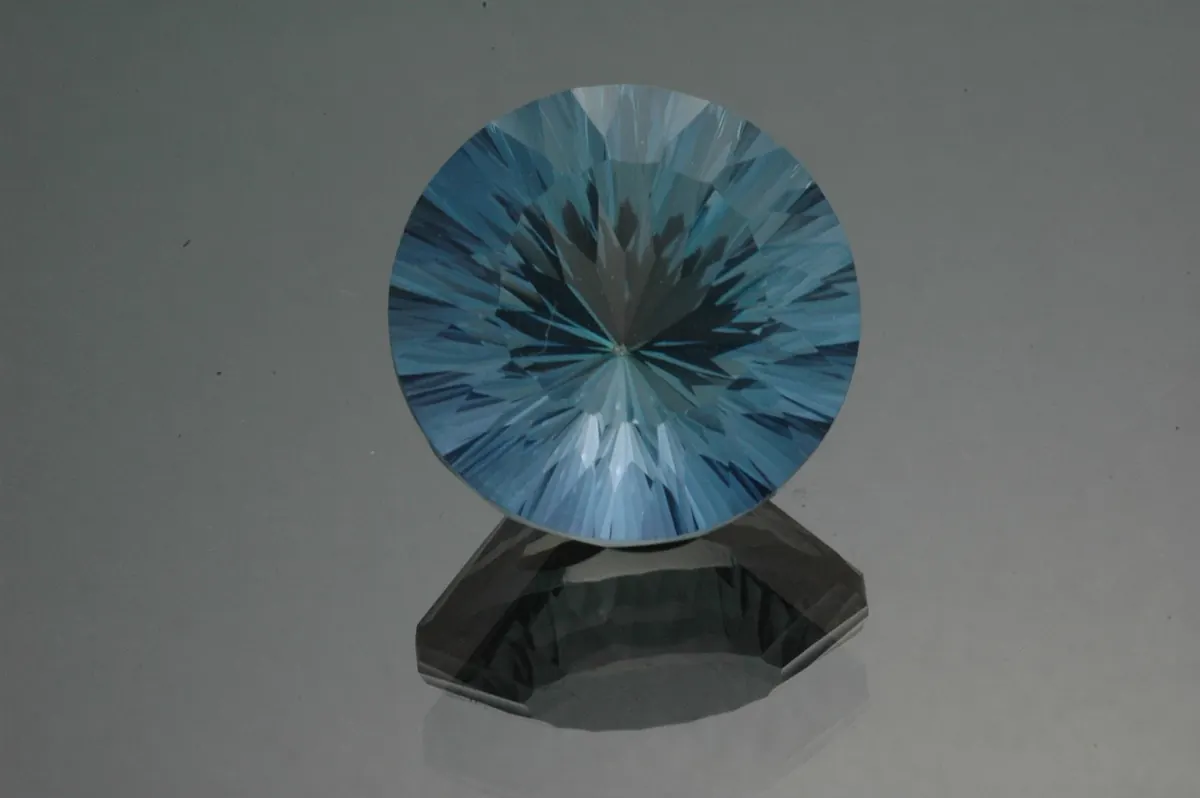
Natural blue topaz is rare. Most blue topaz on the market began as colourless or very pale rough, which was irradiated and then heated to produce a stable blue. Trade names such as sky blue, Swiss blue and London blue describe depth of colour, not a formal grading scale. They are useful shorthand, but they are not guarantees of origin or value.
Treated blue topaz is abundant, affordable and available in large clean sizes. That makes it excellent for pendants, earrings and cocktail rings where a strong colour matters more than rarity. It is also one of the easiest gemstones for a new collector to study: the colour is often even, the clarity is usually high, and the price of a modest stone is approachable.
Natural blue topaz, by contrast, needs documentation. If a blue stone is offered as natural and the price reflects that claim, ask for an independent gemmological report. For most collectors, treated blue topaz is a beautiful material in its own right; it simply belongs in a different category from imperial or fine pink topaz.
Sherry, Champagne and Golden Topaz
Sherry topaz covers warm brownish yellow, orange-brown and reddish brown tones. Some stones are naturally this colour; others are heated to improve or deepen it. Champagne topaz is paler and more muted, while golden topaz is a clear yellow. These varieties are often grouped together by dealers, but they appeal to different buyers.
Sherry topaz has a vintage feel that works well in yellow gold and antique-style settings. It is generally more affordable than imperial topaz, yet it can show impressive size and clarity. Golden and champagne topaz are excellent choices for collectors who want a natural-looking stone without paying for the rarest colours. Look for even colour and lively brilliance; a dull brownish stone with little return is less desirable than a bright, clean golden one.
Pink, Red and Other Rare Colours
Pink topaz is scarce in nature and highly sought after when the colour is pure and not overly brownish. Red topaz is rarer still, and some dealers classify the finest red and pinkish red material as imperial. Because the market uses overlapping names, the stone itself matters more than the label: colour, clarity, cut and evidence of treatment should drive your decision.
Green topaz occurs naturally but is uncommon. Some green stones are treated or coated, so disclosure is important. Violet and other unusual shades may also be treated. For any significant purchase in the pink, red or green range, an independent report from a recognised gemmological laboratory is sensible. It will not tell you whether you love the stone, but it will help you understand what you are buying.
Colourless, Coated and Novelty Topaz
Colourless topaz is plentiful and inexpensive. Faceted as “white topaz”, it is often used as an accent stone or a budget alternative to diamond in fashion jewellery. It can be bright and durable, but it has little rarity value on its own.
Coated topaz includes the familiar mystic, rainbow and fire varieties. These stones have a thin metallic coating that creates flashes of green, pink, blue or gold. They can be great fun in casual jewellery, but the coating can wear at facet edges with rough handling, and the stones are generally not considered collector-grade. If you buy coated topaz, treat it gently and avoid abrasives, ultrasonic cleaners and steam.
What Actually Drives Topaz Value
Rarity, treatment and beauty all interact. A useful way to compare varieties is to think in tiers:
- Imperial, fine pink and red: naturally rare, often untreated, highest value; documentation matters.
- Sherry, champagne and golden: moderate rarity, sometimes heated, good value for collectors who enjoy warm tones.
- Blue: mostly treated and abundant at affordable levels; natural blue is rare and should be documented.
- Colourless: abundant and inexpensive; useful as an accent or study stone.
- Coated novelty colours: treated for appearance, lower collector value, care-sensitive.
Within any variety, value rises with strong saturation, pleasing tone, high clarity, good cut and larger size. Origin can add interest, but it should not replace your own eyes. A well-cut sherry topaz with lively colour may be a far better purchase than a dull, included “imperial” stone sold on name alone.
Treat trade names as descriptions, not guarantees. Ask about treatment, look at the stone in different lights, and buy the gem rather than the label.
Buying and Caring for Topaz
Before you buy, decide whether you want natural rarity or treated beauty. Both are legitimate, but they serve different collecting goals. Then follow a simple routine:
- Ask for treatment disclosure in writing, especially for blue, pink, green and coated stones.
- View the stone in daylight and indoors; topaz can change character under different lighting.
- Use a 10x loupe to check for chips near the girdle and along cleavage planes.
- For valuable imperial, pink or red topaz, request an independent gemmological report.
- Check the cut: a shallow stone may look watery, while a deep stone may darken and lose brilliance.
Topaz is durable enough for earrings, pendants and brooches, but rings deserve care because of its perfect cleavage. Clean most topaz with warm water, mild soap and a soft brush, then dry it with a lint-free cloth. Avoid ultrasonic and steam cleaners for treated, coated or fractured stones. Store topaz separately from harder gems such as diamond and sapphire to prevent abrasion, and keep treated or coated pieces away from prolonged strong heat and sunlight.
If you are building a collection, start with a well-cut sherry or golden topaz to learn the material, then add a treated blue for colour and an imperial or fine pink stone when your budget allows. Buy from a seller who welcomes questions, and for expensive pieces check that your insurance cover is appropriate. Topaz rewards curiosity: the more varieties you handle, the quicker you will recognise the difference between a pleasant stone and a truly special one.
Photo: johnno49 / Pixabay