
Raw vs Cut Gemstones: Which Should You Collect?
Two collections, two very different cabinets. One holds a fist-sized amethyst cluster still attached to its grey matrix, a sliced Scottish agate, and a fragile spray of crystals that lives behind glass. The other is a shallow tray of gem jars: a faceted peridot, a pale blue topaz, a small emerald with a visible jardin. Both belong to people who would describe themselves, without hesitation, as gemstone collectors.
The raw-versus-cut question comes up whenever someone new joins a club or starts browsing dealer tables. It is not really a question of which is better. It is a question of what you want your collection to do, and how much of your budget you would rather spend on material than on labour.
What Counts as Rough, and What Counts as Cut
Rough is anything the earth made and nobody has faceted. That covers a lot of ground: a terminated quartz crystal on matrix, a geode half, a bag of tumbled chips, a piece of facet-grade tourmaline still in its natural rod shape. It helps to split the category in two. Display rough is chosen for crystal form, colour, contrast with matrix, or simply presence on a shelf. Cutting rough is chosen for what is inside — clean areas, usable shape, no fractures running through the part you plan to grind away.
The two do not overlap as often as beginners expect. A flawless crystal with sharp faces and good lustre is usually worth more left alone, because a cutter would lose the very thing that makes it desirable. Meanwhile, a dull-looking lump of garnet can hide a bright, clean stone inside.
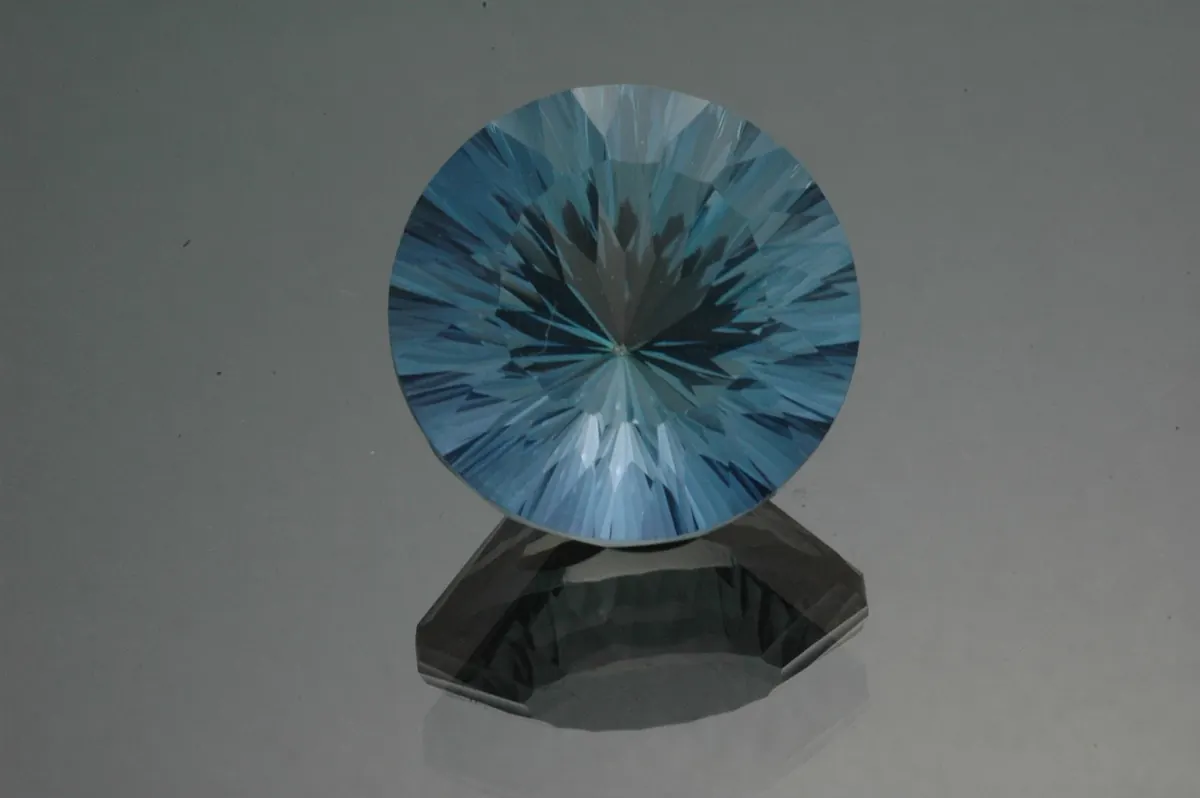
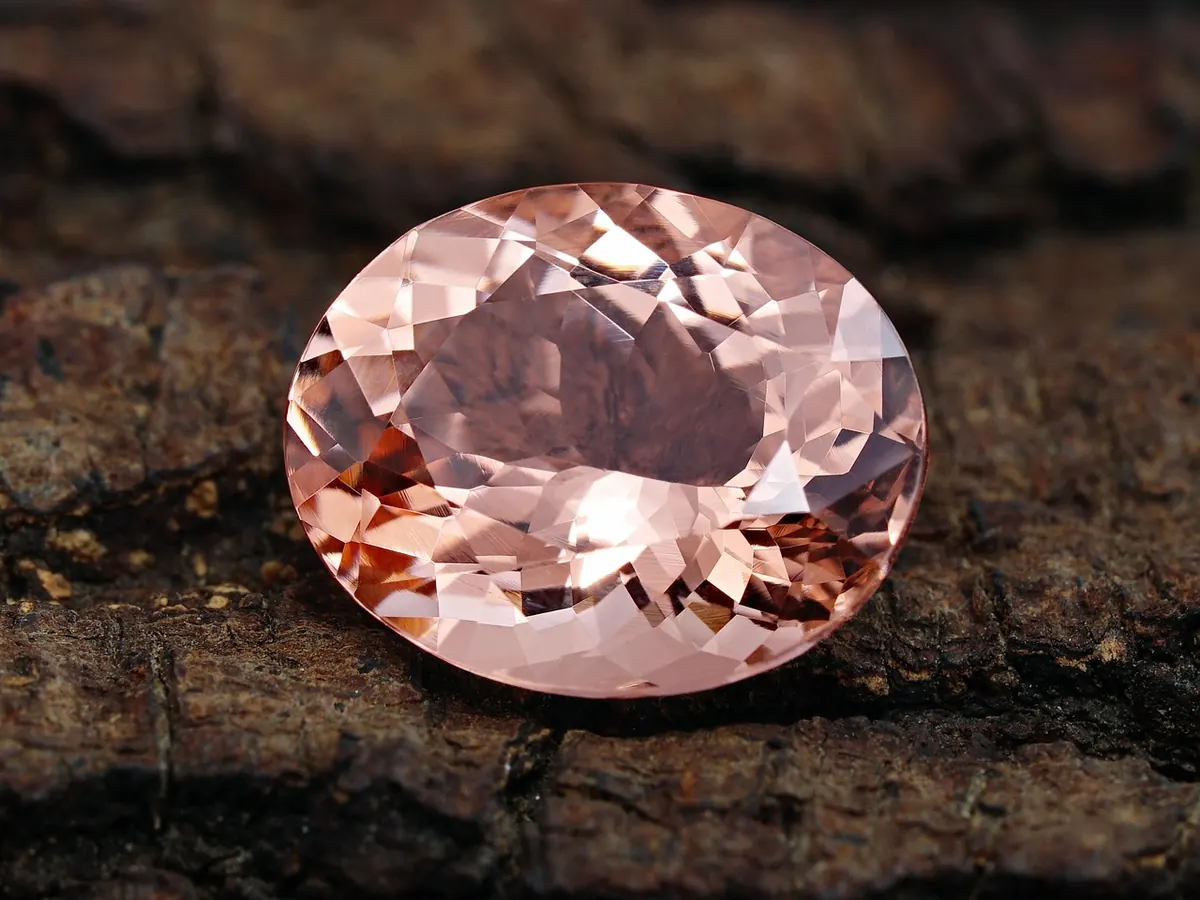
Cut material includes faceted stones, cabochons, carvings and beads. Faceting demands clarity and a certain geometry; a stone full of silk or feathers is more likely to end up as a cabochon, where the cutter works with the flaws rather than fighting them.
Cost: Where the Money Actually Goes
Cut stones almost always cost more than the rough they came from, and the reason is straightforward. Faceting involves sawing, preforming, grinding and polishing, and a great deal of the original rough ends up as dust. A good cutter recovers only a fraction of the weight, so the price of a finished stone reflects the rough cost divided by that yield, plus the cutter's time. If you buy rough and commission cutting, that loss lands on you, which is why a bargain parcel of rough can turn into an expensive experiment.
Specimen pricing works differently. Condition, aesthetic appeal, locality and crystal perfection matter more than weight. A small, undamaged, well-formed crystal from an old locality can comfortably outstrip a large, bruised example. Buyers who chase size alone usually end up with a cabinet full of damaged pieces nobody wants to trade for.
Display Appeal: Sparkle Versus Shape
Rough specimens are best appreciated in soft, diffuse daylight, where you can see growth lines, colour zoning, twinning and the texture of the matrix. Harsh spotlights tend to flatten them. A simple glass cabinet with a daylight-balanced lamp and a neutral background will flatter almost anything.
Faceted stones are the opposite. They need a single directed light source and a contrasting background to show brilliance and dispersion. Try a white card under a dark stone and a black card under a pale one; the difference is immediate.
Handling and storage
- Store cut stones individually in gem jars or soft tissue. Girdles chip, and a hard stone rattling against a softer one will leave marks.
- Keep fragile specimens upright and supported. Delicate acicular crystals and thin plates will not survive being laid flat in a crowded tray.
- Watch the light. Some coloured material fades over years in direct sun, so keep cabinets away from a south-facing window.
- Use silica gel in drawers if you live somewhere damp, and keep water-soluble species away from humid air entirely.
Provenance Is Half the Value
For mineral specimens, the label is not an accessory — it is part of the specimen. An old dealer label naming a mine that closed decades ago adds interest no photograph can replace. Keep the label with the piece, photograph both, and never rewrite a locality from memory. "Cornish quartz" is a story; "quartz, unlabelled" is a rock.
Cut stones carry their own paper trail: where the material came from, whether it has been treated, who cut it. Keep receipts and any reports. If you are spending serious money, an independent gemmological report is sensible, and a professional valuation is worth arranging for insurance. For anything involving significant sums, take advice from a qualified gemmologist or valuer rather than relying on a dealer's description alone.
A simple catalogue pays for itself. Record the date, source, price and any notes, and back it up with photographs. If you ever sell, trade or claim, that record is what separates a collection from a drawer of stones.
Choosing a Collecting Goal
Collections get better when they have a shape. A few directions that work well:
- One species, many localities. Quartz, garnet or fluorite from as many places as you can find, each labelled.
- Rough-and-cut pairs. A rough crystal alongside a faceted stone of the same material. These displays teach visitors more than either half alone.
- A single locality. Everything from one mining district, which builds real depth of knowledge.
- Self-cut collection. Buy facet-grade rough, learn lapidary, and keep what you cut. Slow, absorbing, and every stone has a story.
- Colour theme. Blues, or greens, across several species — visually striking in a small cabinet.
A Practical Way to Start
- Pick one direction from the list above and give yourself a modest budget for the first year.
- Buy two or three pieces from dealers who label properly, rather than a dozen unlabelled bargains.
- Add one rough-and-cut pair, ideally of a material you already like.
- Set up storage before you buy more: gem jars, padded trays, silica gel, a notebook or spreadsheet.
- Only then buy rough to cut, and expect your first attempts to be disappointing. Everyone's are.
Most collectors end up with both, but rarely at the same time. Rough teaches you about how minerals grow. Cut stones teach you about light, proportion and human craft. Start where your curiosity is strongest, buy the best single example you can afford rather than several average ones, and let the collection grow at the pace your knowledge does.
Photo: Adorable786 / Pixabay