Starting a Gemstone Collection on a £50 Budget: Essential First Steps
A £50 note will not buy you a museum-grade emerald, and it will not fill a cabinet. What it can do is start something better: a small, deliberate collection of real specimens that teaches you how minerals form, how they look in the hand, and what you genuinely enjoy looking at. Plenty of collectors who have been at this for decades began with a shoebox and a modest budget. The difference between a collection that grows and a drawer of random purchases is usually not money. It is intent.
So spend the £50 on purpose, and spend it slowly.
Decide What You Are Collecting Before You Buy Anything
Beginners often skip this step, then wonder why their purchases feel disconnected. A collection needs a spine, even a loose one. Choose one of these and let it guide you:
- Species. One good example of each mineral species — a quartz, a fluorite, a pyrite, a calcite. This is the most educational route, and the easiest to buy for on a small budget.
- Locality. Specimens from one county, one mine or one country. Local material is often cheap, and hunting it down gives the collection a story.
- Colour or form. Blue minerals, or crystals with an unusual habit. Simple, but restrictive enough to keep you focused.
- Size. Thumbnails, roughly 2–4 cm across, are the classic beginner's format. They cost less, store easily and force you to judge quality rather than bulk.
Aim somewhere in the middle: pick a theme loose enough to give you choice, tight enough to stop you buying everything.
What £50 Genuinely Gets You
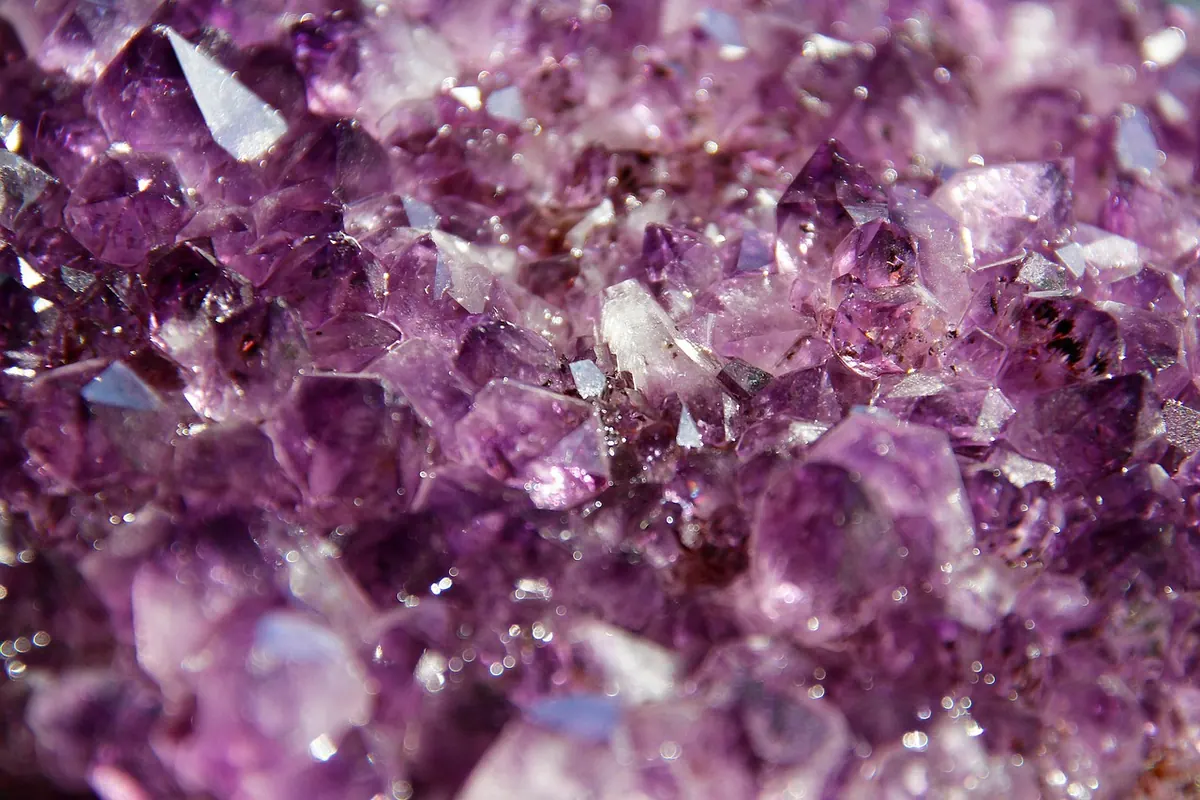
Be realistic about the market. Small crystal specimens and thumbnails are where the value sits for a beginner — attractive, well-formed, and often a few pounds each. Tumbled stones are cheaper still, but they teach you very little about crystallography and tend to end up forgotten in a bowl.
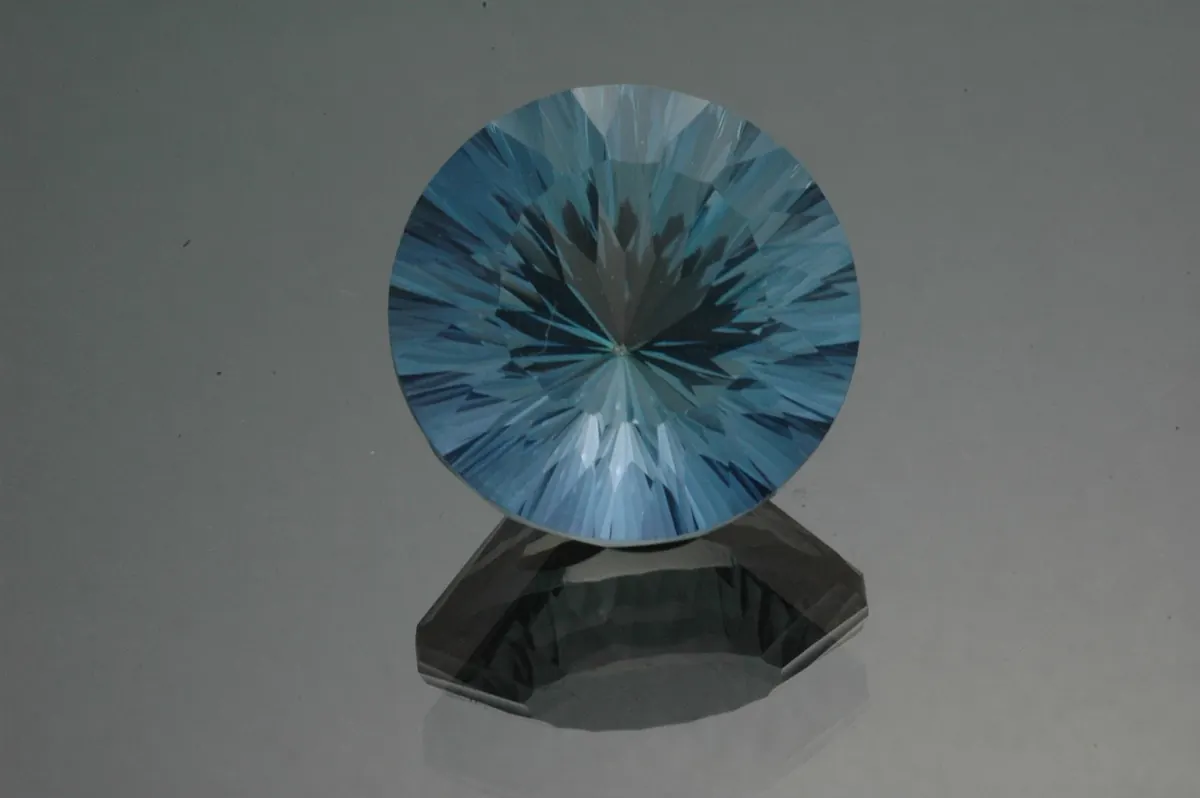
Cut gemstones are the weakest option at this budget. A £50 faceted stone will be small, frequently treated, and difficult for a novice to verify. Worse, this is the price band where synthetic, treated and imitation material is most common. Some sellers label it honestly; some do not. As a rule, be suspicious of anything unusually large, unusually flawless and unusually cheap — a fist-sized amethyst with no visible flaws is not a bargain. Buy from sellers who name the species, give a locality, and state clearly whether a stone has been treated or is man-made.
None of this means you should dismiss treated or synthetic material. Many collectors keep a couple of reference pieces deliberately. Just know what you are buying, and pay accordingly.
Where to Shop, and How to Shop Well
Value for money comes down to who you are buying from as much as what you are buying.
- Mineral and lapidary clubs. Often the best introduction available. Members sell and swap, and someone will usually tell you honestly whether a piece is worth the asking price.
- Shows and fairs. Gem, mineral and fossil fairs put dozens of sellers in one room. Go on the last afternoon if you want to haggle, but go early if you want the best material.
- Reputable online dealers. Look for sharp photographs, stated localities, a returns policy and clear labelling of treatments.
- Marketplaces and auctions. Cheap, but descriptions are often thin and photographs flattering. Treat every purchase as a small gamble.
- Charity shops, car boot sales and house clearances. Occasionally excellent, usually ordinary. Only worth it once you can recognise common species.
- Swaps. Once you have duplicates, trading is how a small collection grows without spending.
A useful test: ask the seller a question. Anyone who answers clearly and without irritation is probably someone worth buying from again.
Judging a Specimen in Your Hand
Quality beats size every time. A perfect 2 cm crystal is a better buy than a battered 6 cm one, and it will hold its place in your collection long after the bigger piece has been quietly set aside.
Look for sharp, undamaged crystal faces, a bright lustre, and clean edges. Check for chips and bruises, especially on corners. Ask whether the specimen has been repaired or glued — this is common and should always be declared, but it is not always mentioned. Then look at the label. A specimen with a known locality and a provenance card is worth more to a collector than a prettier one with no history at all. When buying from photographs, watch for over-saturated colour, and be wary of any listing that shows no scale, no ruler and only one angle.
Storing and Labelling a Small Collection Safely
Boxes and trays
Do not tip everything into one tin. Hard minerals scratch soft ones, and fragile crystals break against each other. A compartment box, a set of small clear trays, or a plastic storage box with foam inserts will do. Wrap individual specimens in acid-free tissue rather than newspaper, which transfers ink. Keep the whole collection out of direct sunlight, as many coloured minerals fade over time.
Watch the damp
Some sulphide minerals, pyrite in particular, can decay in humid conditions — collectors call it pyrite disease. Store those dry, check them periodically, and separate anything that starts to show a powdery bloom.
Labels
Every specimen should carry its own label: species, locality, and the date and place you acquired it. Keep a numbered master list in a notebook or spreadsheet, and put a small sticker or number on the base of the specimen. Never stick tape onto a crystal face.
Basic handling care
Some minerals contain elements such as arsenic, lead or mercury, and a few are friable enough to shed dust. Wash your hands after handling, avoid eating or drinking while you sort, do not grind or sand specimens indoors, and keep small pieces away from children and pets. If you are unsure what a specimen contains, treat it with caution, and seek advice from a qualified professional if you have any health concern.
Your First Three Steps
Join a local club and go to one meeting before you spend a penny. Buy four or five small specimens from one or two sellers you trust, rather than ten from ten strangers. Spend a few pounds on trays and labels so the collection is organised from day one.
Then let the budget do its work over months, not a single afternoon. Save for one genuinely good piece instead of four ordinary ones, keep a wish list, and revisit your early purchases now and then — taste changes, and the plain little crystal you nearly gave away often turns out to be the one you would not part with.
Photo: Dieter444 / Pixabay